
Wood and climate change
Forests and forest-based industries play an important role in climate-change mitigation. According to the European forest-based sector, European forests are estimated to have a net annual carbon sink effect of around 806 million tonnes of carbon, corresponding to approximately 20% of fossil-based CO₂ emissions in the European Union.² In addition to being a natural raw material, wood extends the forests’ capacity to store CO2, making it a great alternative to materials of fossil origin.
The use of wood products can contribute to extending the storage of biogenic carbon beyond the forest ecosystem. Each cubic metre of wood stores approximately one tonne of CO₂ absorbed during tree growth, resulting in a Global Warming Potential (GWP) of approximately -1.0 tonne CO₂e/m³. Under the assumptions of this comparison, concrete presents a GWP of approximately 0.2 tonne CO₂e/m³ and steel approximately 23.5 tonnes CO₂e/m³. ³
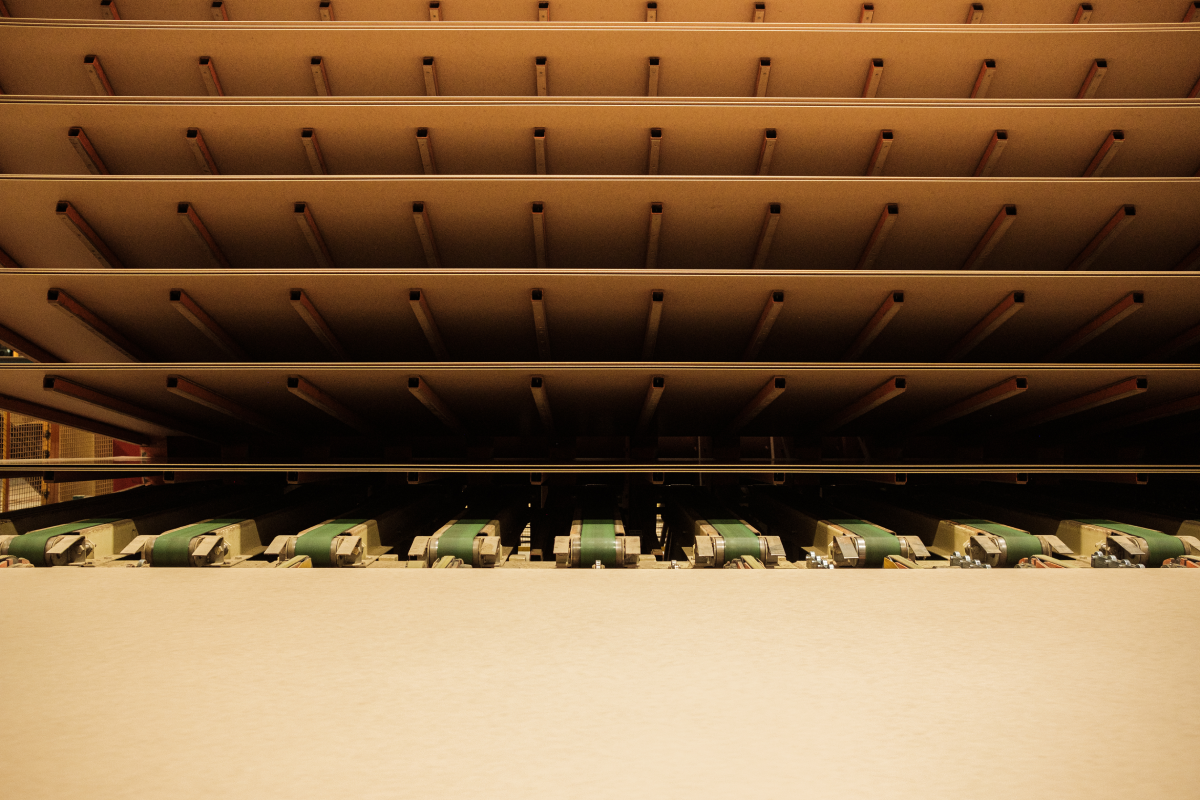
Three million tons of CO2 stored in Sonae Arauco’s products
Climate protection has been linked to Sonae Arauco’s essence since our creation. In the basis, there is wood, the main raw material used in the company’s products, which stores biogenic carbon absorbed during the tree growth.
Based on annual production volumes, product mix and Environmental Product Declarations (EPDs) prepared in accordance with EN 15804, Sonae Arauco estimates that the wood-based products manufactured in 2025 store approximately three million tonnes of CO₂ as biogenic carbon during their service life. The calculation considered the company's entire product portfolio, sold in more than 60 countries.
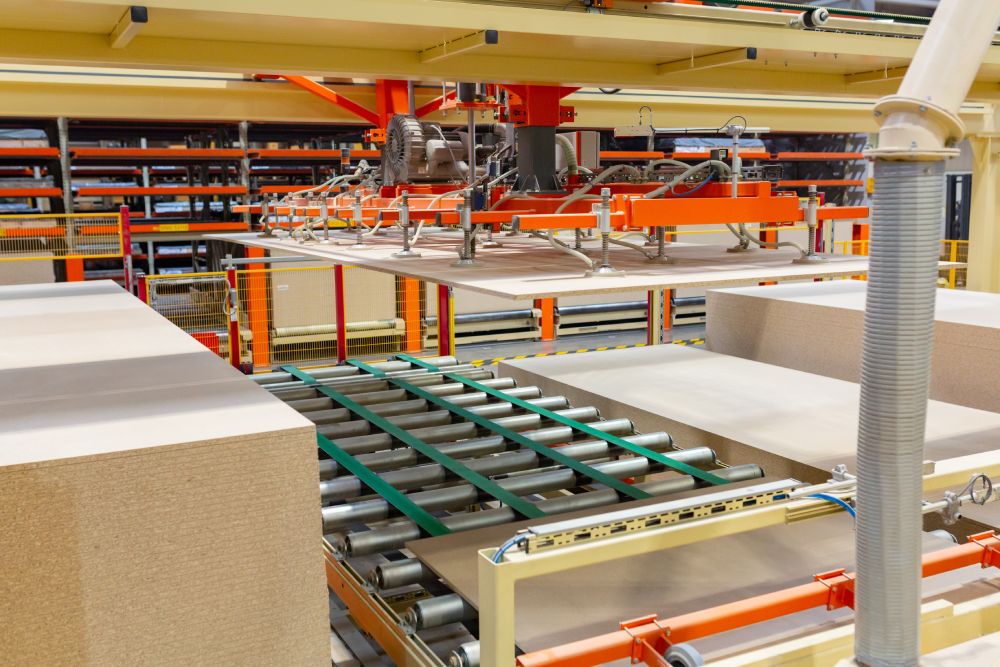
Decarbonisation Roadmap towards 2040
At Sonae Arauco, we are committed to the objectives of the Paris Climate Agreement and to reducing the greenhouse gas emissions associated with our operations. To support this ambition, the company has developed a Climate Transition Plan with a dedicated decarbonisation roadmap focused on energy efficiency, renewable energy, process optimisation and emissions reduction.
By 2033, Sonae Arauco aims to reduce scope 1 and scope 2 GHG emissions by at least 58.8% compared with the 2019 baseline. The company’s long-term ambition is to achieve neutrality for scope 1 and scope 2 emissions by 2040, supported by its Climate Transition Plan.
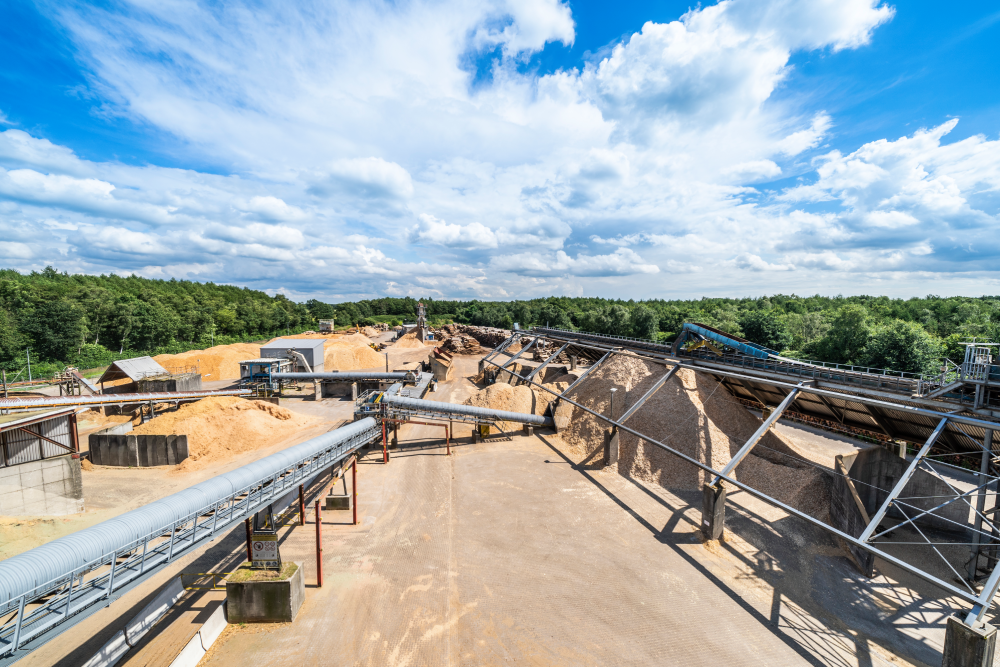
Greenhouse Gas (GHG) Emissions
-
Scope 1 (direct emissions from owned or controlled sources by the group)
-
Scope 2 (indirect emissions from the generation of purchased or acquired electricity, steam, heating and cooling consumed by the group)
-
Scope 3 (all other indirect emissions - not included in Scope 2 - that occur in the group's value chain, contem- plating both upstream and down- stream emissions)
 Key Pillars of Our Climate Transition Roadmap
1
Reducing Corporate Emissions:
Renewable Energy: Power Purchase Agreements (PPAs), on-site renewable energy, and green electricity utilization to phase out fossil fuels.
Energy Efficiency: implementing energy efficiency measures across industrial operations, supported by site-level action plans and performance monitoring.
Electrifying mobile sources: electric vehicles procurement for vehicle fleet and machines.
2
Decarbonizing Our Product Offer:
Raw Materials: investments and R&D projects to increase of use of recycled and recyclable wood; as well as assessment and trials for bio-based and lower-carbon resins.
Circular Business Models: extending product service life and working with the value chain to increase recycling rates and reduce landfill disposal.
3
Decarbonizing Logistics:
Supplier Collaboration: Supplier Collaboration: framework under development to collaborate with suppliers in reducing carbon intensity in upstream and downstream transportation.
Vehicle Optimization: using a transport management system to optimise routes, vehicle fulfilment and backhauling.
Value Card
Carbon Neutrality
Contributing to the creation of a sustainable future with wood-based solutions


Related news
14 October 2026
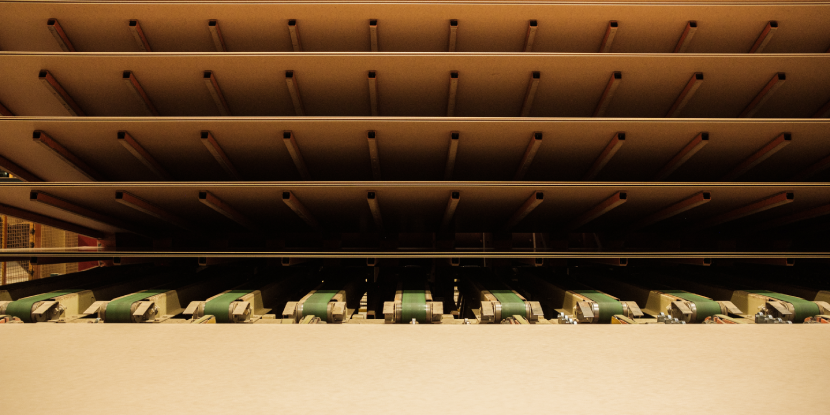
EcoReFibre demonstrates new opportunities for circular wood-based panel production
21 April 2026
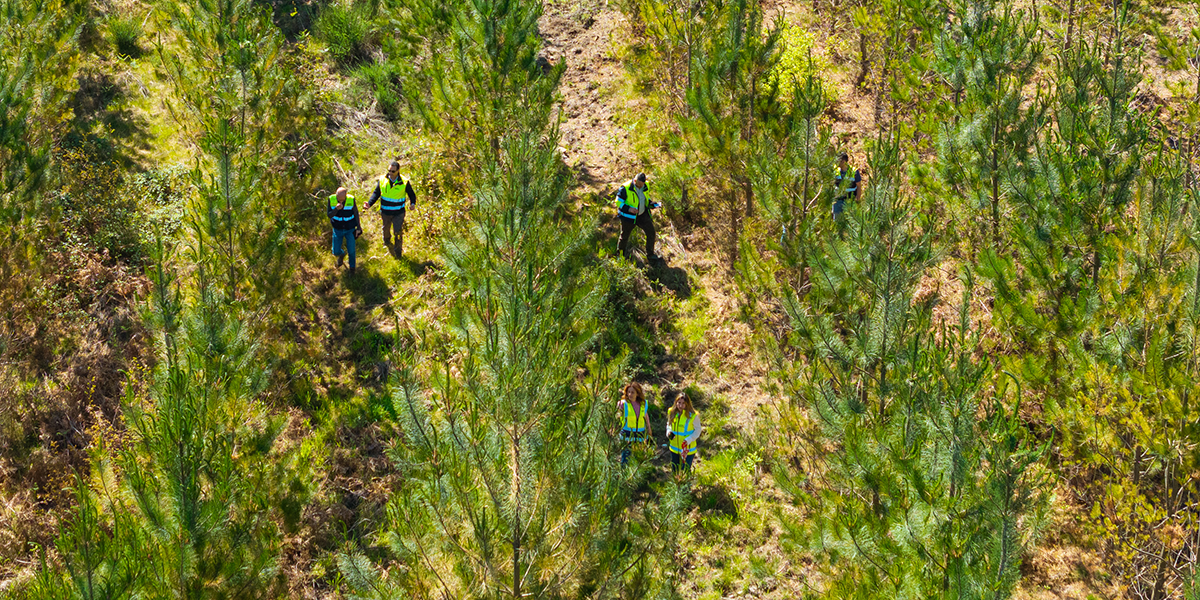
Sonae Arauco identifies the 10 best-performing radiata pine families in Portugal
19 February 2026
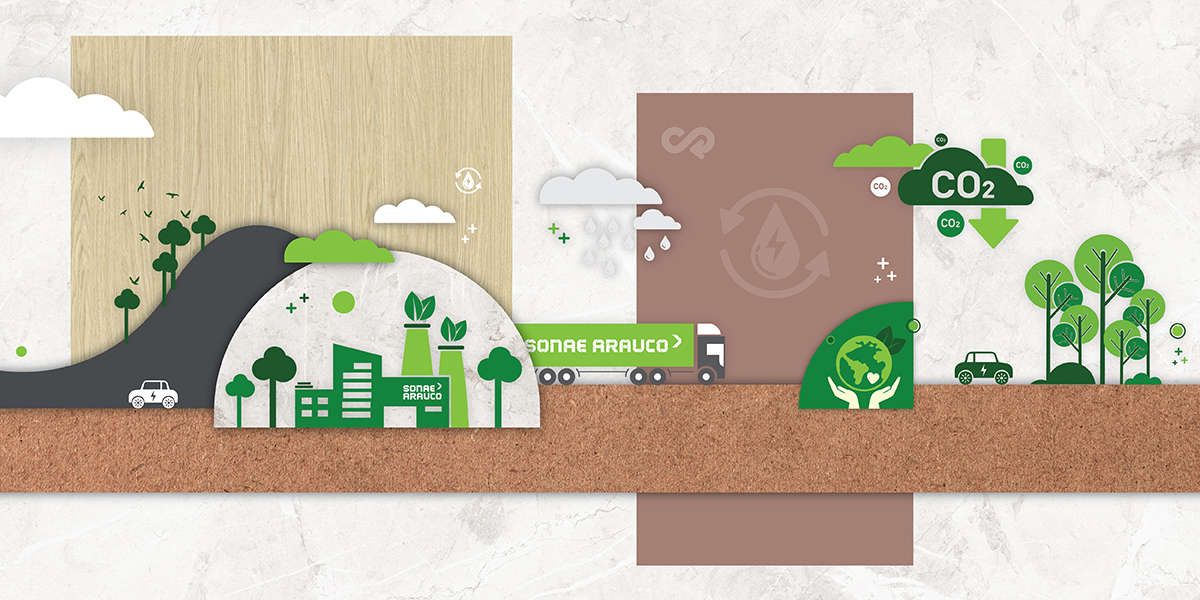
Carbon Footprint Calculator by Sonae Arauco: a tool for more responsible decisions
12 February 2026
Sonae Arauco endorses Antwerp Declaration leaders' call
¹Based on annual production volumes, product mix and Environmental Product Declarations (EPDs), Sonae Arauco estimates that the wood-based products manufactured in 2025 store approximately three million tonnes of CO₂ as biogenic carbon during their service life.
²Source: EU Forest-Based Industries 2050.
³Source: Construction Material Pyramid by CINARK – Centre for Industrialised Architecture.




Register now and receive new trends and product news with just one click.